mill tc

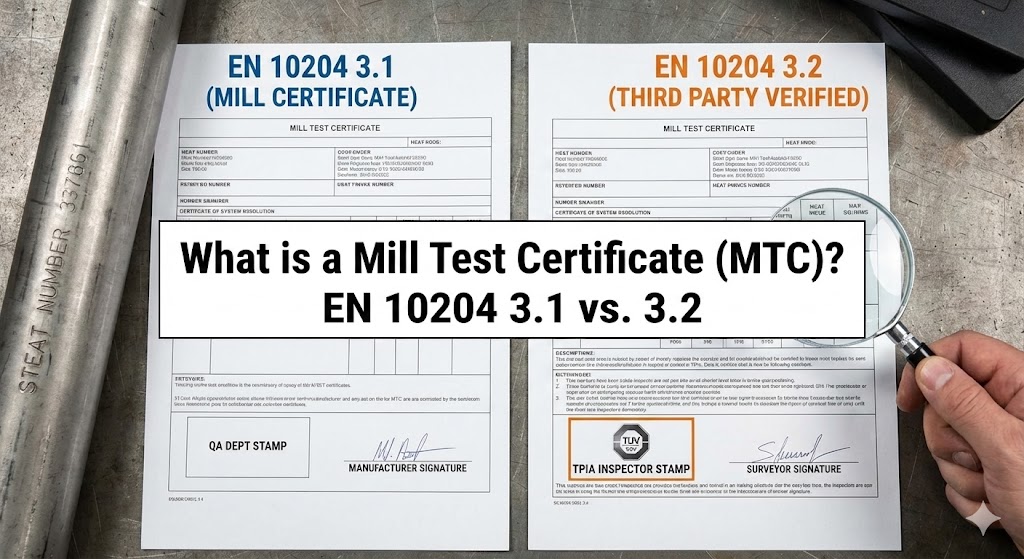
What is MTC? EN 10204 3.1 vs 3.2 Certificate Explained

Introduction In the steel industry, a physical product is worthless without its paperwork. When you buy Stainless Steel pipes, plates, or flanges, you aren’t just paying for the metal; you are paying for the assurance that it meets the chemical and mechanical standards you ordered. This assurance comes in the form of a Mill Test […]

What is MTC? EN 10204 3.1 vs 3.2 Certificate Explained Read More »
Schedule 40 vs. Schedule 80 Pipe

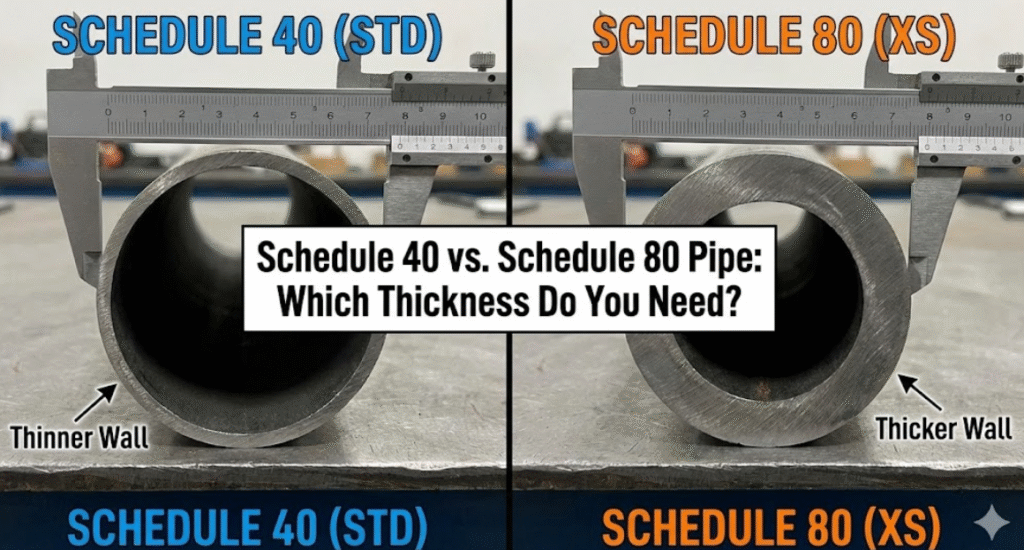
Schedule 40 vs. Schedule 80 Pipe: Which Thickness Do You Need?

Introduction When ordering pipe, getting the right material (like Stainless Steel) is only half the battle. The second half is getting the right thickness, known as the Pipe Schedule. The most common question our sales team gets is: “What is the difference between Schedule 40 and Schedule 80, and why does Sch 80 cost so

Schedule 40 vs. Schedule 80 Pipe: Which Thickness Do You Need? Read More »

Gate valve vs globe valve

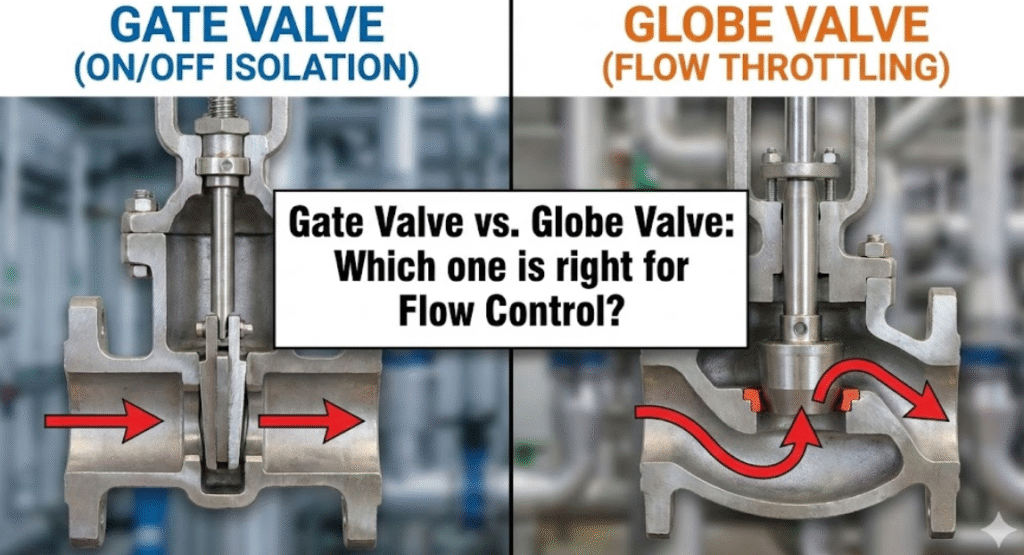
Gate Valve vs Globe Valve: Difference & Selection Guide (2025)

Introduction From the outside, a Gate valve and a Globe valve often look remarkably similar. They both have a handwheel at the top and a body that connects within the pipeline. Because they look similar, procurement managers often swap them based on price or availability. This is a critical mistake. Inside the valve body, they

Gate Valve vs Globe Valve: Difference & Selection Guide (2025) Read More »

image

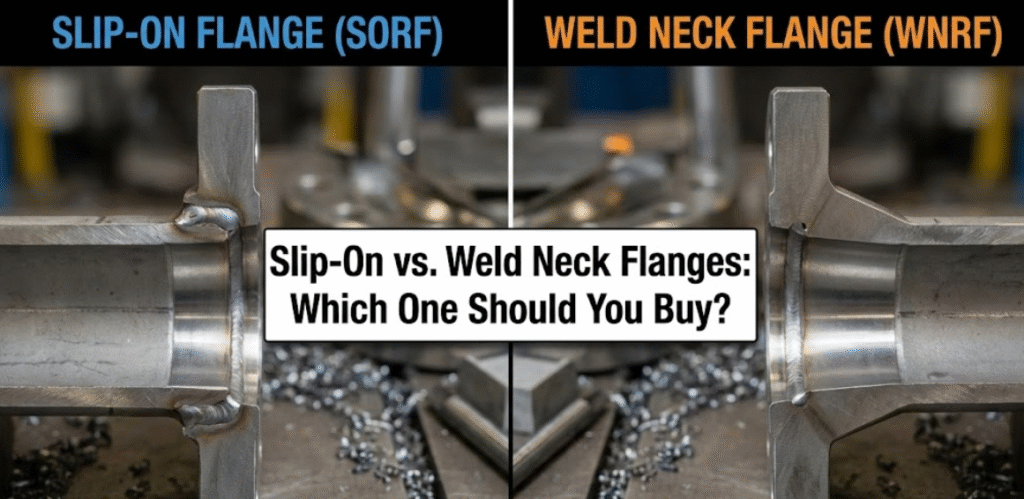
Slip-On vs. Weld Neck Flanges: Which One Should You Buy?

Introduction In every piping BOM (Bill of Materials), flanges are a major cost component. When procurement managers see the price difference, they almost always ask: “Can we just use Slip-On flanges instead of Weld Neck?” The answer is: It depends on the pressure. While Slip-On flanges are cheaper to buy, they are not always cheaper

Slip-On vs. Weld Neck Flanges: Which One Should You Buy? Read More »

image

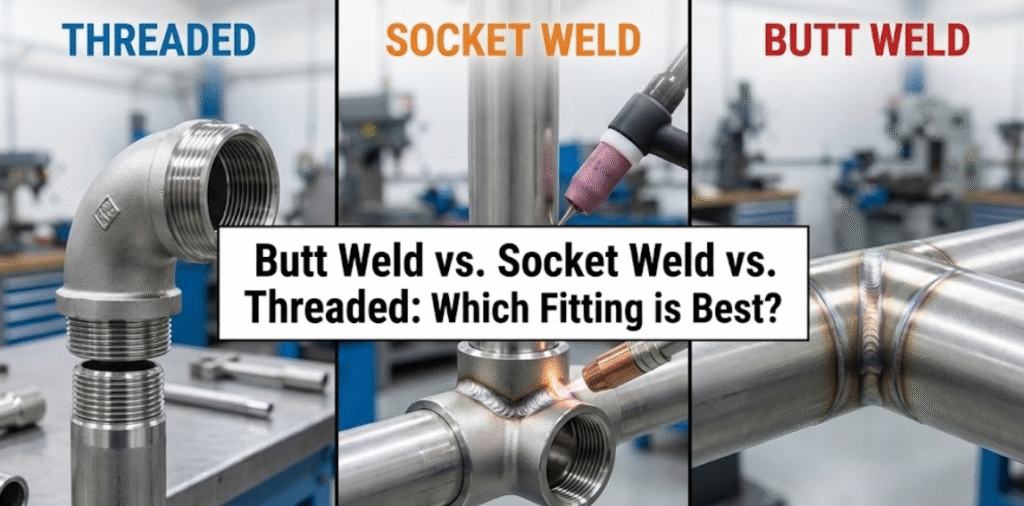
Butt Weld vs. Socket Weld vs. Threaded: Which Fitting is Best?

Introduction In industrial piping, the “weakest link” is rarely the pipe itself—it is the connection. When designing small-bore piping systems (typically 2 inches and below), engineers must choose between three common connection types: Threaded (Screwed), Socket Weld, and Butt Weld. Making the wrong choice here doesn’t just mean a bad fit; it means dangerous leaks,

Butt Weld vs. Socket Weld vs. Threaded: Which Fitting is Best? Read More »

image

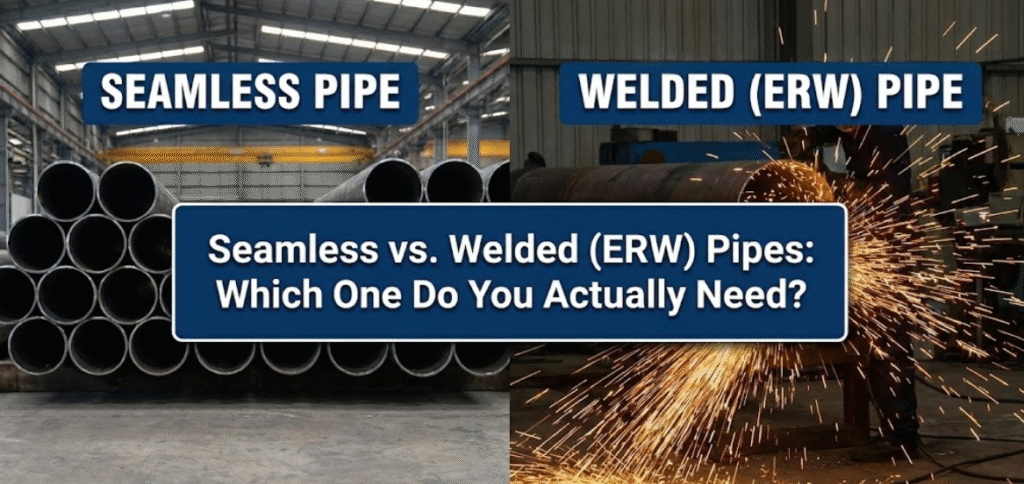
Seamless vs. Welded (ERW) Pipes: Which One Do You Actually Need?

Introduction In the piping industry, there is a common myth: “Seamless is always better.” While Seamless pipes are stronger by nature, they are also significantly more expensive. For many applications, a high-quality Welded (ERW) pipe is not just “good enough”—it is actually the smarter engineering choice. At Dhanvika Global, we supply both. Our goal isn’t

Seamless vs. Welded (ERW) Pipes: Which One Do You Actually Need? Read More »

stainless steel pipe

SS 304 vs. SS 316: Which Grade is Best for Your Project?

Introduction When selecting materials for industrial piping, fittings, or flanges, the most common dilemma engineers and procurement managers face is choosing between Stainless Steel 304 and Stainless Steel 316. While they look identical to the naked eye, the difference in their chemical composition makes a massive difference in their performance, especially in harsh environments. Choosing

SS 304 vs. SS 316: Which Grade is Best for Your Project? Read More »